
Composite Fillings in Fairfax, VA
Fairfax Dentist offers a wide variety of tooth fillings when it comes to cavity treatment.
Understanding Composite Fillings
Composite fillings are made from a tooth-colored resin combined with fine glass or other reinforcing particles. The material is selected to closely match your natural enamel, which makes it a practical option for repairing cavities without a noticeable metal filling. Composite resin can also be used to repair minor chips or improve a tooth’s shape.
Gold, porcelain, and silver amalgam are other restorative materials, each with different characteristics and costs. Composite fillings are popular because they offer a natural appearance and reliable performance for many small to moderately sized restorations. At Fairfax Dentist, we help patients seeking dental fillings in Fairfax, VA, understand which material is appropriate for their tooth, bite, and treatment needs.
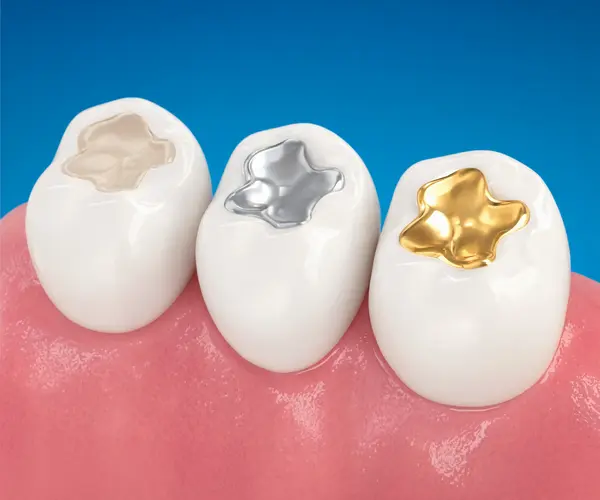
How Dental Fillings Help Restore Your Teeth
Fillings are a common treatment for cavities. When decay creates a hole in a tooth, we remove the affected material and restore the area with a suitable filling. This helps preserve the remaining tooth structure and restores a surface that can withstand everyday chewing.
A filling also restores the tooth’s shape and helps close the space left by decay. Composite resin bonds to the prepared tooth surface and can be matched to the surrounding enamel. Although this bond supports the restoration, the tooth still needs proper care, and new decay can develop around an existing filling.
Some patients experience temporary sensitivity after treatment, particularly with deeper cavities. We explain what to expect after your appointment and when sensitivity or discomfort should be checked.
What to Consider Before Choosing a Composite Filling
Composite fillings work well for many cavities, but their suitability depends on the size of the restoration, the tooth’s location, and the pressure it receives when you bite or chew. A larger cavity or a tooth with extensive damage may need a different restoration, such as a crown. Composite fillings can also chip or wear over time, although some damaged restorations can be repaired.
Placing composite resin generally takes longer than placing a traditional metal filling because the tooth must be kept clean and dry during bonding. Composite material may also develop discoloration over time, particularly around the filling’s edges. Good oral hygiene and regular dental visits help us monitor its condition. If a filling becomes stained, worn, or damaged, we’ll examine it and recommend appropriate care.
When Might You Need a Dental Filling?
A filling is usually recommended when tooth decay has created a cavity that needs restoration. Treating the affected tooth can prevent further damage and reduce the likelihood of needing more extensive treatment later. Fillings may also be appropriate for certain small cracks, chips, or worn areas, depending on how much healthy tooth structure remains.
During your dental examination, we check for visible damage and signs of decay. Dental X-rays may also help us identify cavities that are difficult to see during a routine examination. If you’re considering dental fillings in Fairfax, we’ll explain what we’ve found and whether a filling is the most suitable treatment.
Cavities can affect children, teenagers, and adults. Risk factors include frequent sugar consumption, inadequate oral hygiene, dry mouth, and changes in the teeth and gums over time. Brushing twice daily with fluoride toothpaste, cleaning between your teeth, and attending regular dental appointments can help reduce your risk.
Composite Filling Costs and Insurance Coverage
Composite fillings generally cost more than silver amalgam fillings, although the actual price depends on the tooth being treated, the size of the cavity, and the work required. Larger restorations may involve additional treatment or different materials.
Dental insurance may cover part of the cost of a composite filling, but coverage varies by plan. Some policies have deductibles, copayments, annual limits, or restrictions on tooth-colored materials in certain teeth. Our staff can assist with insurance verification and explain the estimated treatment costs. We want patients considering dental fillings for Fairfax, VA, to understand their options before proceeding.
Frequently Asked Questions
How Long Does a Composite Filling Appointment Take?
The appointment length depends on the size and location of the cavity, the number of teeth being treated, and whether additional preparation is needed. A straightforward filling may take less than an hour, while more extensive treatment can take longer. We examine the tooth and explain the expected procedure before scheduling treatment. If you’re having several fillings completed, we’ll also discuss whether they can be addressed during the same appointment.
Why Choose a Tooth-Colored Filling?
Composite fillings are matched to your natural tooth color, making them less noticeable than metal restorations. They’re particularly useful when appearance is important, including repairs to visible teeth. Composite resin also bonds to the prepared tooth surface and can restore areas affected by decay or minor damage. We recommend tooth-colored fillings when they’re appropriate for the tooth’s condition, size of the cavity, and expected chewing pressure.
What Makes Up a Composite Filling?
Composite fillings contain a resin-based material reinforced with fine particles, commonly glass, silica, or ceramic. This combination helps provide strength while allowing the restoration to blend with natural enamel. Composite fillings are metal-free, which may appeal to patients who prefer to avoid metal restorations. However, no dental material is appropriate for everyone. Tell us about any known allergies or previous reactions to dental materials before treatment.
How Much Does a Composite Filling Cost?
The cost varies depending on which tooth needs treatment, how much damage is present, and whether your insurance covers the procedure. We recommend checking your policy for coverage limits, deductibles, and any restrictions on composite materials. Our team can help review your benefits and discuss the estimated cost before treatment. You can also schedule an appointment to have the tooth examined and receive a recommendation based on its condition.
How Long Can You Expect a Composite Filling to Last?
Composite fillings can last for several years, and some remain in good condition for a decade or longer. Their lifespan depends on the restoration’s size and location, your oral hygiene, chewing habits, and other factors. Fillings may eventually need repair or replacement because of wear, fractures, or new decay around their edges. Regular dental checkups allow us to examine existing fillings and recommend treatment when necessary.
Dental Terminology
Cosmetic Dentistry
Cosmetic dentistry focuses on improving the appearance of teeth and smiles through treatments that address tooth color, shape, spacing, and other visible concerns. Depending on the procedure, cosmetic treatment may also improve dental function.
Dental Caries
Dental caries is the clinical term for tooth decay. It develops when bacteria in dental plaque produce acids that gradually damage the tooth’s mineral structure. If the process continues, a cavity can form and may require restorative treatment.
Dental Filling
A dental filling restores part of a tooth that has been damaged by decay or a minor injury. After preparing the affected area, we place an appropriate restorative material to rebuild the tooth’s shape and chewing surface. Common filling materials include composite resin and dental amalgam.
Dental Sealants
Dental sealants are thin protective coatings applied to the chewing surfaces of back teeth, particularly molars. They help protect the grooves where food and bacteria can collect and may reduce the risk of cavities. Sealants are commonly recommended for children and teenagers, although some adults may also benefit.
Gingivitis
Gingivitis is an early stage of gum disease that causes inflammation of the gums, often because plaque has accumulated near the gumline. Symptoms may include redness, swelling, or bleeding during brushing. Gingivitis can usually be reversed with appropriate oral hygiene and professional dental care.
Tartar
Tartar, also called dental calculus, forms when plaque hardens on the teeth. It can develop above or below the gumline and provides a rough surface where more plaque can collect. Once plaque has hardened into tartar, it requires professional removal during a dental cleaning.
Decay
Tooth decay occurs when acids produced by bacteria in dental plaque gradually damage the tooth’s enamel and underlying structure. Without appropriate care, decay may progress into deeper layers of the tooth and eventually affect the dental pulp.
Dental Checkup
A dental checkup allows us to examine your teeth, gums, and overall oral health. We look for cavities, signs of gum disease, damaged restorations, and other concerns that may need attention. Your dentist will recommend how frequently you should return based on your oral health and individual risk factors. Professional cleanings may be scheduled alongside these examinations when appropriate.
Dental Prophylaxis
Dental prophylaxis is a professional cleaning that removes plaque, tartar, and surface stains from the teeth. It is commonly provided as part of preventive dental care and helps maintain healthy teeth and gums.
Preventive Dentistry
Preventive dentistry includes the steps taken to reduce the risk of cavities, gum disease, and other oral health problems. It involves regular dental examinations, professional cleanings, effective brushing and flossing, fluoride use when appropriate, and advice based on your oral health needs.
Tooth Enamel
Tooth enamel is the hard outer layer covering the visible crown of a tooth. It protects the softer dentin underneath from everyday chewing and exposure to food and drinks. Although enamel is highly durable, acids and physical wear can damage it over time.
Contact Us Today
Fairfax Dentist offers dental care & Invisalign® to patients in Fairfax, Vienna, Falls Church, Virginia.
Free consultation for first-time patients!