
Composite Fillings in Fairfax, VA
Fairfax Dentist offers a wide variety of tooth fillings when it comes to cavity treatment.
Understanding Composite Fillings
Crafted from a plastic-based resin enhanced with specialized additives—and occasionally reinforced with microscopic glass particles—composite fillings are engineered to blend seamlessly with natural enamel. While their primary function is to restore decayed teeth, they also serve an aesthetic purpose, capable of subtly reshaping a tooth to improve its overall contour.
Alternatives such as gold, porcelain, and silver amalgam each have their place, but they come with trade-offs. Metal restorations are conspicuously noticeable, and while porcelain offers excellent color-matching, it often carries a heftier price tag. For most patients, composites strike the ideal balance—delivering pleasing aesthetics, reliable longevity, and reasonable cost.
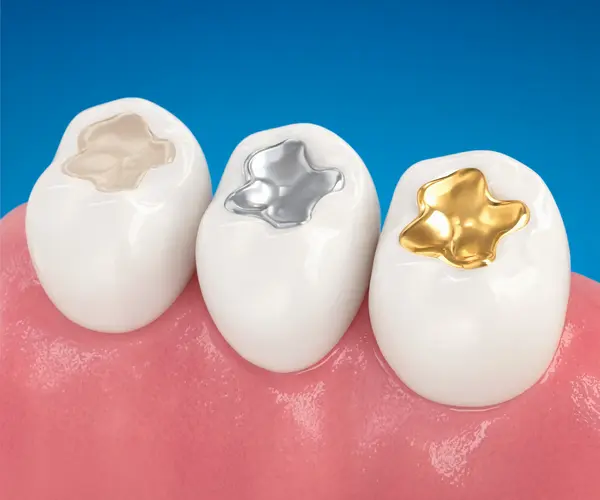
Benefits of Tooth Fillings
Tooth fillings are among the most routine procedures in modern dentistry. Statistically, the average American carries three fillings, while a quarter of the population has eleven or more. Their primary job is straightforward: seal off minor cavities and create a protective shield against decay-causing bacteria, halting further erosion before it escalates.
Beyond preservation, fillings reinstate both the chewing function and the natural silhouette of the affected tooth. Composite resin, in particular, offers an aesthetic edge—its shade-matched composition blends invisibly with enamel. Additionally, it chemically adheres to the tooth surface, reinforcing the remaining structure. This bonded seal not only averts future fractures but also minimizes uncomfortable sensitivity to hot or cold foods.
What to Weigh Before Choosing a Composite Filling
While composite resins offer undeniable aesthetic benefits, they come with a few practical trade-offs worth considering. In larger cavities, they don’t quite match the longevity of traditional silver amalgam, though they perform admirably in smaller restorations. Depending on the tooth’s position and bite pressure, they may also be somewhat susceptible to chipping over time. On the plus side, if damage does occur, tooth-colored fillings are relatively easy to repair rather than replace entirely.
The application process is slightly more time-consuming than other materials, but the extra chair time is typically negligible. It’s also worth noting that composite resins can absorb pigments from beverages like coffee, tea, or red wine, potentially altering their shade. Fortunately, a clear plastic sealant can be applied over the filling to lock in its original color and resist staining.
When Is a Filling the Right Call?
A filling becomes necessary when decay has compromised a tooth’s structural integrity. Without intervention, what starts as a minor issue can escalate into more serious dental complications. Beyond cavities, fillings also restore teeth that have sustained cracks, fractures, or excessive wear from grinding or aging. During routine exams, we carefully evaluate each tooth and let you know whether a restoration is recommended.
While dental decay can affect anyone at any age, school-age children and teenagers tend to be particularly vulnerable. Several intersecting factors influence cavity risk—including oral hygiene habits, dietary choices, genetic predisposition, and the natural aging process. The good news is that consistent brushing, flossing, and regular professional cleanings can significantly lower those risks, reducing the likelihood that you’ll ever need a filling in the first place.
Composite Fillings: Cost & Coverage
Composite resins are moderately priced—more than amalgam, but less than porcelain or gold. Since fillings are medically necessary, most insurance plans include them as covered benefits. We recommend checking with your provider to confirm any co-pays or limitations.
Our staff is happy to assist with insurance verification and will work with you to find a treatment option that suits both your dental needs and your financial situation.
Frequently Asked Questions
How Long Does a Composite Filling Appointment Take?
Composite fillings typically require about 10 to 20 minutes more chair time than their silver amalgam counterparts. The exact duration depends on factors like the size of the cavity and the tooth’s location in your mouth. As a general rule, you should plan on being in the dental chair for roughly one hour to accommodate the entire procedure.
Why Choose a Tooth-Colored Filling?
The biggest perk? No one will ever know it’s there. Composite fillings are custom-shaded to match your natural tooth color, so they disappear into your smile without a trace. But looks aren’t everything—they also pull their weight when it comes to protection. Just like traditional fillings, they form a strong seal that keeps bacteria out and stops decay from gaining a foothold in your tooth.
What Makes Up a Composite Filling?
If you’re expecting metal, think again. Composite fillings are built from a sophisticated, metal-free blend of plastic resin and microscopic glass, silica, or ceramic particles. This combination gives them strength, longevity, and a natural look—all without a trace of metal. For patients with metal allergies, or anyone who simply prefers a more biocompatible option, composite fillings offer peace of mind along with a beautiful result.
What’s the Price Tag on a Composite Filling?
Composite fillings are usually covered by insurance since they’re considered medically necessary, not just cosmetic. But before you book your appointment, we recommend giving your insurance company a quick call to find out exactly what your plan will pay and what you might owe out of pocket. And if you’re still unsure, don’t worry—we’ll go over all the payment details with you when you come in for your visit.
How Long Can You Expect a Composite Filling to Last?
On average, composite fillings have a lifespan of about seven years. However, recent studies indicate that with proper care, they can endure for a decade or longer—particularly when the restoration is small and maintained with diligent oral hygiene. Consistent dental checkups play a crucial role in maximizing the longevity of your tooth-colored filling, allowing us to monitor its condition and address any issues before they compromise its integrity.
Dental Terminology
Cosmetic Dentistry
Cosmetic dentistry encompasses a broad range of procedures designed primarily to enhance the visual appeal of your smile—whether that means refining the shape, color, or alignment of your teeth, gums, or bite. While function may also improve as a result, the core focus is on aesthetics rather than oral health alone.
Dental Caries
Dental caries—more commonly referred to as cavities—develop when inadequate oral hygiene allows plaque to accumulate on the teeth. Over time, this sticky film produces acids that gradually erode the enamel, creating tiny holes or pits in the tooth surface.
Dental Filling
A dental filling is a restorative procedure that repairs and rebuilds a tooth’s structure using materials such as metal, alloy, porcelain, or composite resin. The chosen substance is carefully placed into the prepared cavity to restore both form and function.
Dental Sealants
Dental sealants are composed of a resin-based material that is carefully painted onto the chewing surfaces of the back teeth—specifically the premolars and molars. This protective coating acts as a physical barrier, sealing off the deep grooves and fissures where bacteria and food particles tend to collect, thereby preventing the onset of dental caries.
Gingivitis
Gingivitis is the inflammation of gum tissue caused by plaque buildup, oral infections, and insufficient oral hygiene. It’s the earliest stage of gum disease—and also the most reversible with proper care.
Tartar
Tartar is what happens when plaque overstays its welcome. Left untreated, plaque hardens and calcifies into a rough, tenacious deposit that clings to your teeth. Once it reaches this stage, a professional dental cleaning is the only way to remove it.
Decay
Tooth decay is the progressive destruction of your enamel caused by acids produced by plaque and tartar buildup.
Dental Checkup
A dental checkup is a routine in-office visit designed to safeguard your oral health. During these appointments, we thoroughly clean your teeth, carefully examine your mouth for any signs of infection or disease, and address any issues we uncover. For optimal oral health, we recommend scheduling these comprehensive evaluations at least twice a year.
Dental Prophylaxis
A dental prophylaxis is a professional, detail-oriented cleaning that carefully removes plaque, calculus, and stains.
Preventive Dentistry
Preventive dentistry is the practice of protecting your oral health by actively preventing plaque buildup, tartar formation, and infection.
Tooth Enamel
Tooth enamel is the hard, protective outer covering of your tooth. This visible layer encases the softer dentin beneath and safeguards the innermost dental pulp, which contains the tooth’s nerves and blood supply.
Contact Us Today
Fairfax Dentist offers dental care & Invisalign® to patients in Fairfax, Vienna, Falls Church, Virginia.
Free consultation for first-time patients!