
Emergency Dentist in Fairfax, VA Near Me
Fairfax Dentist immediately provides you and your family with the same-day specialist emergency dental care.
Emergency Dentistry Services in Fairfax, VA
A severe toothache, broken tooth, or sudden dental injury needs attention, particularly when pain, swelling, or bleeding makes everyday activities difficult. At Fairfax Dentist, we provide emergency dentistry in Fairfax, VA, helping patients identify the cause of the problem and receive appropriate treatment.
Some dental emergencies require immediate attention to protect a natural tooth or prevent an infection from becoming more serious. Others may be less urgent but still need an examination before the condition worsens. If you’re looking for an emergency dentist in Fairfax, contact our team at 571-541-7977 and explain your symptoms.
Our office is located in Oakton, serving patients throughout Fairfax and nearby Northern Virginia communities. We offer same-day emergency appointments when scheduling allows.
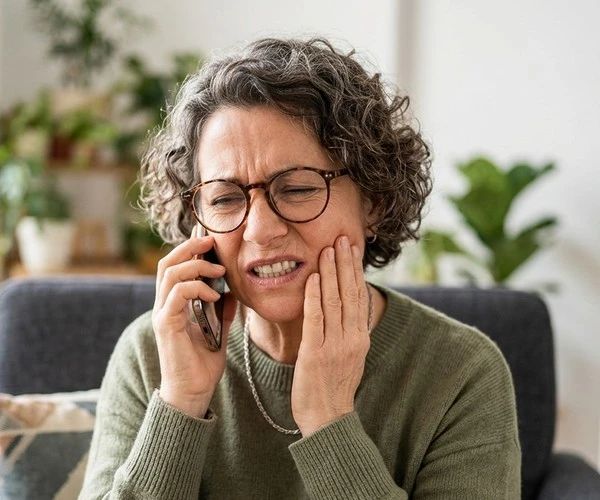
Tooth Pain
A toothache may develop because of decay, a cracked tooth, gum inflammation, or an infection inside the tooth. Occasional sensitivity to hot or cold foods is not always an emergency, but persistent or worsening discomfort deserves an examination. Severe pain, facial swelling, or a toothache accompanied by fever requires prompt attention.
Until your appointment, a cold compress against your cheek may help with swelling or discomfort. You can also use an over-the-counter pain reliever according to its instructions if it is appropriate for you. Avoid placing aspirin directly against the tooth or gums.
During your visit, we’ll examine the affected area and may take dental X-rays to identify the problem. Depending on the diagnosis, treatment could involve a filling, root canal therapy, periodontal care, or an extraction when the tooth cannot be preserved.
Broken Tooth
A tooth can crack or break after a fall, while chewing something hard, or because an existing filling has weakened. Even when there is little pain, a fracture should be assessed because the damage may extend beyond the visible surface.
Rinse your mouth gently with warm water and use a cold compress if swelling develops. If you find a broken fragment, place it in a clean container and bring it to your appointment. In some cases, the fragment may be suitable for reattachment. Treatment depends on the extent of the damage:
- Dental Bonding: For certain small chips or fractures, we can use tooth-colored composite resin to rebuild the damaged area and restore its shape.
- Dental Crowns: When a larger portion of the tooth is damaged, a dental crown may be recommended to cover and protect the remaining structure.
If the fracture reaches the tooth’s inner tissue, additional treatment may be necessary. We’ll explain the findings before recommending a restoration.
Knocked-Out or Missing Tooth
A knocked-out permanent tooth is a time-sensitive dental emergency. The sooner you receive professional care, the better the possibility of saving the tooth.
If you find the tooth, pick it up by the crown, which is the part normally visible above the gums. Avoid touching the root. If it is dirty, rinse it briefly and gently with water without scrubbing. If possible, carefully place it back into its socket without forcing it and hold it in position.
If you cannot reinsert the tooth, keep it moist in milk or an appropriate tooth-preservation solution. Do not let it dry out or store it in plain water. Seek emergency dental care immediately, ideally within 30 minutes. A tooth may still be saved after a longer period, so do not delay or assume it is too late.
Never attempt to reinsert a knocked-out baby tooth, as doing so may damage the permanent tooth developing underneath.
If a permanent tooth cannot be saved, we’ll discuss replacement options after addressing the immediate injury. Depending on your oral health, these may include dental implants or bridges. The appropriate treatment depends on the condition of the gums, jawbone, and surrounding teeth.
Broken or Missing Dental Restorations
Fillings, crowns, bridges, and dentures can become loose or damaged through everyday wear, an injury, or changes in the underlying teeth. A lost filling or crown may expose sensitive tooth structure, making eating or drinking uncomfortable.
If a restoration comes loose, keep it in a clean, safe container and contact our office. Avoid chewing on the affected side, particularly if the tooth feels sensitive or has a sharp edge. Do not use household glue or attempt to force a crown or other restoration back into place.
We’ll examine the tooth and determine whether the existing restoration can be reused, repaired, or needs replacement. In some cases, a temporary restoration may be appropriate while a permanent treatment is arranged.
Oral Cuts and Bleeding
Cuts to the lips, tongue, cheeks, or gums can occur during accidents, falls, or after biting the inside of your mouth. Bleeding may also develop following a dental procedure.
Apply steady pressure to the affected area using clean gauze or a clean cloth. A cold compress against the outside of the mouth may help reduce swelling.
If the bleeding slows but the area remains painful or appears damaged, contact us for guidance. Following a recent dental procedure, you should also contact our office if bleeding continues beyond what you were advised to expect.
Seek immediate hospital emergency care if bleeding is heavy, does not stop with firm pressure, or is accompanied by a serious facial injury. Do not delay medical care while attempting to arrange a dental appointment.
How Preventive Care Helps Reduce Dental Emergencies
Accidents cannot always be prevented, but regular dental care can reduce the likelihood of emergencies associated with untreated decay, gum disease, or weakened teeth. There are several practical ways to protect your oral health.
- Custom Sports Mouthguards
Contact sports and activities involving a risk of facial impact can lead to chipped, fractured, or knocked-out teeth. A properly fitted athletic mouthguard helps reduce the risk of dental injuries. If you participate in sports regularly, ask us about appropriate mouthguard options. Patients wearing braces may also need additional protection for their teeth and the soft tissues inside their mouths. - Consistent Brushing and Flossing
Brush twice daily with fluoride toothpaste and clean between your teeth once a day. These habits help remove plaque and reduce the risk of cavities and gum inflammation. Pay attention to changes such as bleeding gums, persistent sensitivity, or discomfort when chewing. These symptoms may indicate a problem that needs professional evaluation, even if the pain is manageable. - Routine Dental Examinations
Regular examinations allow us to identify cavities, damaged fillings, gum problems, and other concerns before they become more difficult to treat. We may recommend X-rays when clinically necessary and discuss the cleaning schedule that suits your oral health. Some patients benefit from more frequent visits because of their medical history or risk of dental disease.
Preventive appointments also provide an opportunity to review existing dental work and discuss habits that may affect your teeth, including grinding or chewing hard objects. If you notice a change in your oral health, contact Fairfax Dentist rather than waiting for your next routine appointment.
Emergency Dentist FAQs
When Should You Visit the ER Instead of an Emergency Dentist?
Most toothaches, broken teeth, and damaged restorations can be assessed by a dentist. However, certain injuries and symptoms require immediate hospital care.
Go to the nearest emergency department or call 911 if you experience:
- Uncontrolled Bleeding: Heavy bleeding from the mouth or face that does not stop after applying firm, continuous pressure.
- Serious Facial Injuries: Suspected jaw fractures, deep facial wounds, significant head injuries, or trauma accompanied by loss of consciousness.
- Severe or Spreading Swelling: Swelling affecting the throat, neck, or area around the eyes, particularly when accompanied by difficulty breathing, swallowing, speaking, or opening the mouth.
These conditions may require medical treatment beyond what can be provided in a dental office. Once the immediate medical concern has been addressed, we can help evaluate any remaining dental injuries and discuss appropriate follow-up care.
Why Does a Dental Abscess Need Urgent Treatment?
A dental abscess is a collection of pus caused by a bacterial infection in or around a tooth or the surrounding gum tissue. Symptoms may include persistent throbbing pain, swelling, sensitivity when biting, fever, or an unpleasant taste in the mouth.
An abscess requires prompt dental evaluation because the infection can spread if the underlying cause is not treated. Pain may sometimes decrease even though the infection remains.
Treatment depends on the location and severity of the infection. We may recommend drainage, root canal therapy, periodontal treatment, or extraction when necessary. Antibiotics may be prescribed in certain circumstances, but they do not replace treatment of the source.
If you suspect an abscess, contact our office promptly. If swelling affects your breathing or swallowing, seek emergency hospital care immediately.
How Can You Stop Bleeding From a Broken Tooth or Gum Injury?
The first priority is to control the bleeding without disturbing the injured area.
- Apply Firm Pressure: Hold clean gauze or a clean cloth against the bleeding site. Maintain steady pressure rather than repeatedly removing it to check the wound.
- Use a Cold Compress: Place a cold pack wrapped in a cloth against the outside of your cheek or lip to help manage swelling.
- Avoid Disturbing the Area: Do not poke the injury with your tongue or fingers, and avoid vigorous rinsing while active bleeding continues.
- Seek Appropriate Care: Contact our office for persistent bleeding or an injury that needs examination. Heavy bleeding that does not stop requires emergency medical attention.
Once the bleeding is controlled, we’ll assess whether the injury involves the tooth, gums, or other oral tissues and recommend treatment if needed.
Can I Fix a Broken Tooth at Home?
A broken tooth cannot be properly repaired at home. Even a small visible chip may involve damage that needs a dental examination.
You can rinse your mouth gently with warm water and avoid chewing on the affected side. If the tooth has a sharp edge that irritates your cheek or tongue, temporary dental material available at a pharmacy may help protect the area until your appointment.
A cold compress may help if the injury has caused swelling. If you need pain medication, follow the product instructions and make sure it is appropriate for you.
Avoid using household glue, filing the tooth yourself, or attempting to attach a broken fragment. Our dentist will assess the fracture and explain whether bonding, a filling, a crown, or another treatment is appropriate.
Can an Emergency Dentist Help With a Missing Filling or Crown?
Yes. A lost filling or crown is a common reason patients contact us for urgent dental care. When a restoration comes loose, the exposed tooth may become sensitive to temperature, pressure, or food. The remaining tooth structure may also be vulnerable to further damage.
Bring the detached crown or any available fragments to your appointment. We’ll check the tooth and determine whether the restoration can be reused safely.
If a crown no longer fits or the tooth has developed additional decay, a replacement may be necessary. A temporary restoration may be recommended while permanent treatment is arranged.
If you’re looking for an emergency dentist in Fairfax because a filling or crown has come loose, call us and explain whether you’re experiencing pain or sensitivity.
What First-Aid Steps Should Parents Take During a Child’s Dental Emergency?
The first step depends on whether the child has injured a baby tooth or a permanent tooth. If a baby tooth is knocked out, do not attempt to put it back into the socket. Contact a dentist for an evaluation, as the injury may also affect the developing permanent tooth.
If a permanent tooth is knocked out, handle it by the crown, avoiding the root. Gently rinse away dirt without scrubbing, and carefully reinsert it if possible and appropriate. Otherwise, keep it moist in milk or a suitable tooth-preservation solution and obtain immediate dental care.
For a broken tooth, rinse the child’s mouth gently with water and apply a cold compress if there is swelling. Bring any recovered tooth fragments to the appointment.
Children with severe bleeding, significant facial trauma, or difficulty breathing require emergency medical attention.
How Quickly Should I See a Dentist for a Dental Emergency?
The urgency depends on the symptoms and type of injury. A knocked-out permanent tooth needs immediate attention. Ideally, professional treatment should begin within 30 minutes, although successful treatment may still be possible later.
Severe tooth pain, swelling, suspected infection, and painful fractures also warrant prompt assessment. A small chip without pain may be less urgent, but it should still be examined to determine whether the tooth needs protection or repair.
At Fairfax Dentist, we provide emergency dentistry for Fairfax, VA, patients and encourage you to call as soon as a problem develops. Explain what happened, when the symptoms started, and whether you’re experiencing swelling, bleeding, or severe pain.
Do You Offer Same-Day Emergency Appointments?
We offer same-day emergency appointments when our schedule allows. Availability depends on when you contact us, the urgency of your symptoms, and the treatment required.
If you have a severe toothache, broken tooth, lost restoration, or another dental concern, call 571-541-7977 and explain the situation. We’ll discuss the available appointment options and what you should do before your visit.
Some problems can be treated during the initial appointment, while others require further evaluation or additional treatment. We’ll explain the findings and the recommended next steps.
Our office is located at 3275 History Drive, Oakton, VA 22124, serving patients seeking emergency dentistry in Fairfax, VA, and surrounding communities.
Contact Us Today
Fairfax Dentist offers dental care & Invisalign® to patients in Fairfax, Vienna, Falls Church, Virginia.
Free consultation for first-time patients!